Metal Materials Guide: Properties and Manufacturing Considerations
Understanding metal properties and their behavior during manufacturing processes is crucial for achieving optimal results in metal fabrication. This guide provides detailed insights into common metals, their characteristics, and best practices for various manufacturing processes.
Common Manufacturing Metals
| Material | Properties | Common Applications | Processing Notes |
|---|---|---|---|
| Mild Steel | Good strength, weldability | General fabrication, structural | Excellent for most processes |
| Stainless Steel | Corrosion resistant, durable | Food equipment, outdoor use | Higher power requirements |
| Aluminum | Lightweight, corrosion resistant | Light structures, electronics | Special handling needed |
| Copper/Brass | Excellent conductivity | Electrical components | Reflective material considerations |
Material Properties and Selection
Key considerations for material selection: - Mechanical properties (strength, hardness) - Chemical properties (corrosion resistance) - Thermal properties (conductivity, expansion) - Electrical properties (conductivity) - Cost and availability - Processing requirements
Mild Steel Characteristics
- Tensile Strength: 400-550 MPa
- Yield Strength: 250-350 MPa
- Excellent weldability and formability
- Good machinability
- Cost-effective for most applications
- Wide range of available sizes and forms
Stainless Steel Varieties
Common grades and applications: - 304: General purpose, excellent corrosion resistance - 316: Superior corrosion resistance, marine applications - 430: Decorative applications, moderate corrosion resistance - 410: Heat-treatable, moderate corrosion resistance
Aluminum Alloy Selection
Popular alloys and characteristics: - 6061: General purpose, good strength - 5052: Excellent corrosion resistance - 3003: Good formability - 7075: High strength applications Considerations: - Heat treatment requirements - Surface finish needs - Strength requirements - Cost constraints
Processing Considerations
| Process | Material Considerations | Special Requirements |
|---|---|---|
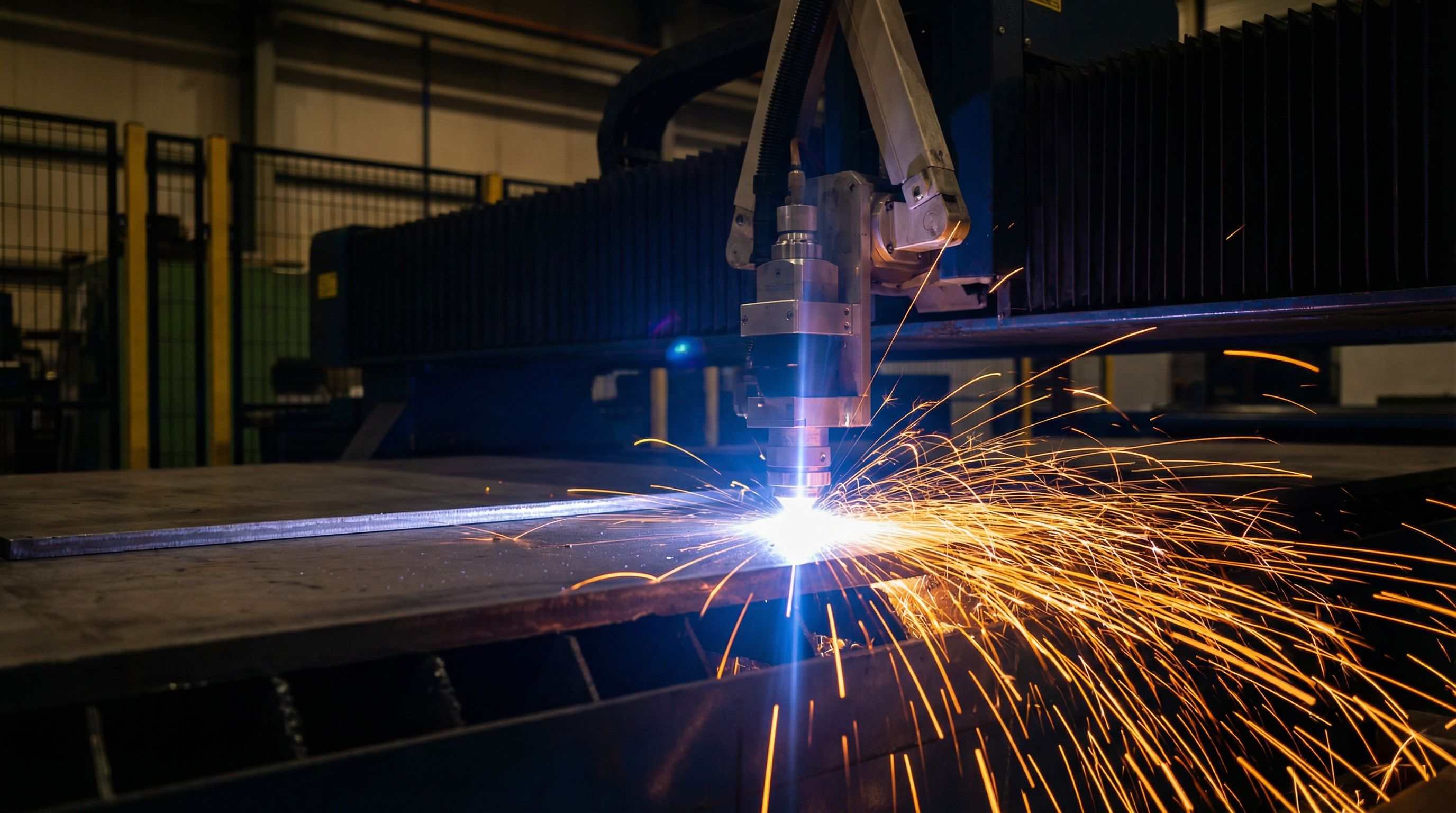
| Laser Cutting | Reflectivity, thickness | Power adjustment, assist gas |
| Forming | Springback, ductility | Proper tooling selection |
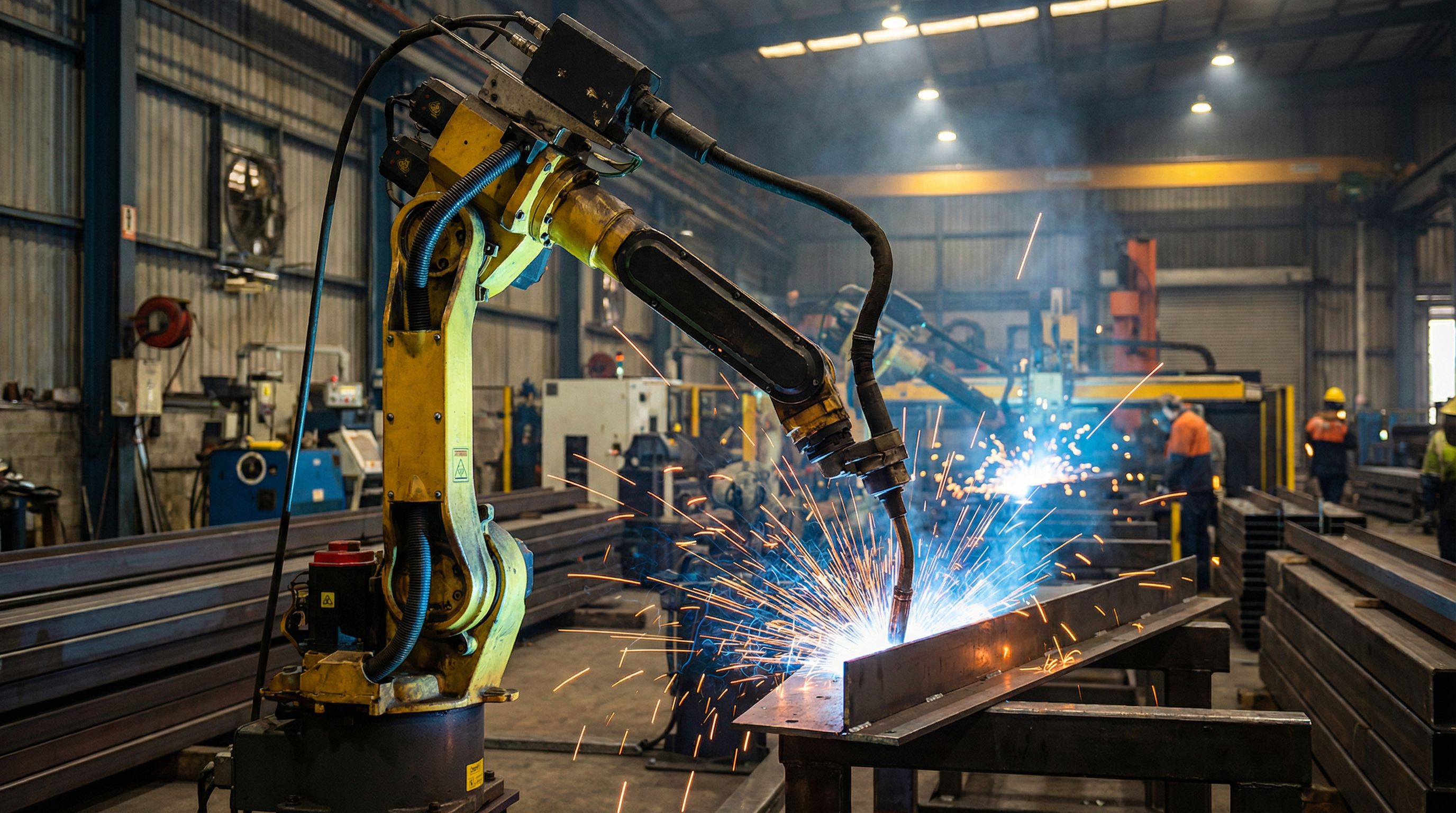
| Welding | Thermal properties | Pre/post heating, filler |
| Machining | Hardness, chip formation | Tool selection, speeds |
Surface Finish Options
- Mill finish: As-produced surface
- Brushed finish: Directional texture
- Polished finish: Smooth, reflective surface
- Powder coating: Durable colored finish
- Anodizing: For aluminum only
- Passivation: For stainless steel
Cost Optimization
Strategies for material cost management: - Standard size selection - Optimal grade selection - Efficient nesting and layout - Scrap reduction methods - Inventory management - Bulk purchasing considerations
Quality Considerations
Quality assurance measures: - Material certification verification - Physical property testing - Chemical composition analysis - Surface quality inspection - Dimensional verification - Proper material handling
Environmental Factors
Environmental considerations in material selection: - Recyclability potential - Energy requirements for processing - Waste reduction opportunities - Environmental impact - Regulatory compliance - Sustainable practices
Selecting the right material for your manufacturing project is crucial for success. Our expertise in metal fabrication allows us to guide you through material selection and processing considerations to ensure optimal results. Contact us to discuss your specific material requirements and how we can help optimize your manufacturing process.